
Loading...
Serving Gary, IN and surrounding areas. (219) 883-1258
Gary's 36-inch frost line and clay soil are unforgiving to shallow or undersized footings. We dig to the required depth, place rebar, pass the City of Gary pre-pour inspection, and give you a footing that holds whatever you build on top of it for the long run.
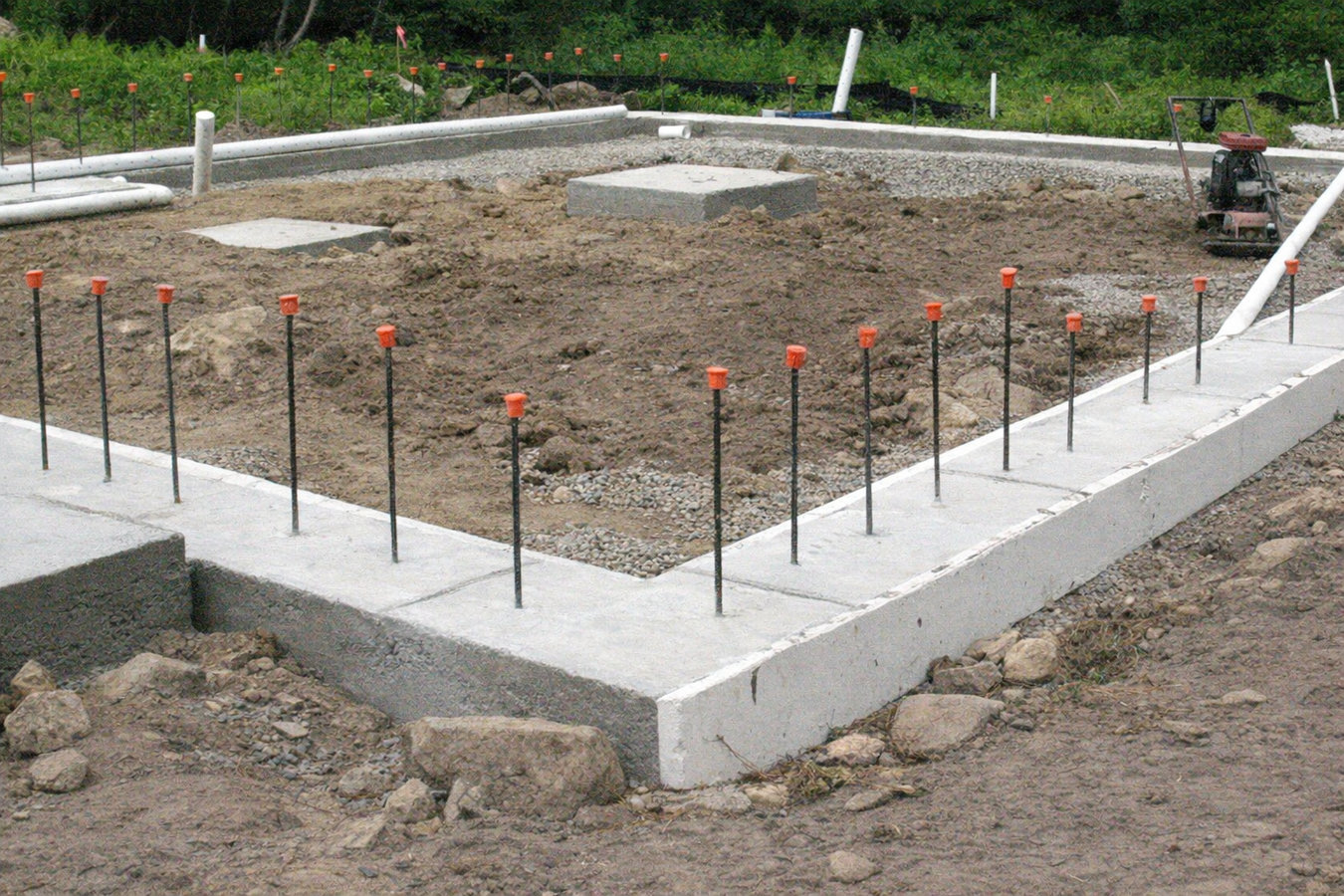
Concrete footings in Gary are poured below the local frost line - typically at least 36 inches deep - to anchor decks, additions, garages, and porches against frost heave. Most residential footing jobs take one to two days for excavation and pouring, with about a week of curing time before framing can begin. The City of Gary requires a permit and sends an inspector to verify depth and reinforcement before any concrete is placed.
A footing is the underground base that holds up everything above it. Without it, the weight has nowhere stable to land, and Gary's clay soil and freeze-thaw cycles will move the structure over time. For projects that go beyond just footings - like adding a full foundation for a room addition - we also handle foundation installation so the underground work is scoped and built together correctly.
Call us at (219) 883-1258 to talk through what your project needs, or request a free written estimate online.
If you can see a gap opening between your deck and the house, or the porch floor has started to slope away from the door, the footings underneath may be failing. This usually means the footing was poured too shallow for Gary's frost depth or was undersized for the clay soil. Left alone, the gap grows and the structure becomes unsafe.
When a footing settles unevenly, the structure above shifts slightly out of square. One of the first signs is doors and windows that suddenly do not open or close the way they used to. If the sticking is concentrated near an addition, garage, or porch rather than throughout the whole house, a failing footing under that structure is the likely cause.
If you are adding a deck, a room addition, a detached garage, or a substantial porch, you need footings before any framing begins. Many Gary homeowners skip this step on smaller structures, only to find the structure shifting within a few seasons because Gary's clay soil and frost cycles are unforgiving to anything not properly anchored underground.
Gary's older homes - many built before modern footing standards were in place - sometimes have additions built with minimal footings. If you are seeing diagonal cracks radiating from window or door corners in an older addition, or stair-step cracks near a newer structure, settlement from inadequate footings is a common cause worth having evaluated.
We pour structural concrete footings for decks, room additions, garages, porches, and covered outdoor structures across Gary and northwest Indiana. Every footing is excavated below the local frost line, formed with lumber forms, reinforced with steel rebar, and poured after the required City of Gary pre-pour inspection. For projects that grow into full foundation work - a basement addition or a replacement foundation - we transition to foundation installation so both phases are built to the same standard and permitted together.
When footing work is part of a larger project that includes structural concrete at grade - like a slab for a garage floor or a patio that connects to a new structure - we coordinate that work as part of the same project scope alongside our foundation raising services when lift work is also involved. We explain the planned depth, reinforcement, and permit timeline before any digging starts so you know exactly what is happening in your yard.
Suits homeowners adding or replacing a deck where the existing posts have no footing or were set too shallow for Gary's frost depth.
Suits room additions, bump-outs, and sunroom additions that need new footings tied to the existing house at the correct depth and grade.
Suits detached or attached garages where the perimeter wall footings must be poured below frost depth before any framing begins.
Suits covered porches, open pergolas, and carport structures that need isolated pier footings at post locations to prevent seasonal movement.
Northern Indiana's frost line sits at approximately 36 inches below grade, which means every structural footing in Gary must reach at least three feet underground before it is safe from frost heave. Frost heave is what happens when frozen soil expands and pushes upward with enough force to lift a deck, tilt a porch, or crack a garage wall. This depth requirement is not optional - it is verified by the City of Gary building inspector before any concrete is placed. Gary's clay-heavy lake plain soils add a second factor: clay swells when wet and shrinks when dry, putting ongoing lateral and vertical stress on any footing that is not properly sized for local conditions. Homeowners in Merrillville, IN and Hobart, IN share the same frost line and soil conditions, and we apply the same depth and reinforcement standards across every project we do in the region.
Gary's housing stock adds another layer of complexity. A large share of homes were built between the 1920s and 1960s, when footing standards and record-keeping were inconsistent. When we dig on an older Gary property, there is a real chance of finding buried rubble, old utility lines, or deteriorated original footings from past additions - all of which affect the scope and cost of the job. We assess every site before quoting and communicate clearly if something unexpected turns up. Indiana's building safety division sets the residential code standards that govern footing depth and reinforcement in this state, and the American Concrete Institute publishes the technical standards behind reinforced concrete design that our work follows.
We come out before quoting anything. We check access for equipment, look at the ground conditions, and ask about the age of your home - because older Gary properties often have surprises underground. You get a written estimate within a business day of that visit.
We handle the City of Gary building permit application and schedule the required pre-pour inspection. This adds a few days to the timeline before digging starts, but it protects you: a city inspector will verify the depth and rebar before anything gets buried.
The crew digs to the required depth - at least 36 inches in Gary - builds wood forms to shape the footing, and places steel reinforcing bars inside. This is the most disruptive day of the job. The site is cleaned up before we leave.
The city inspector checks depth and rebar before we pour. Once approved, concrete goes in, the surface is smoothed, and curing begins. Framing can start after about a week in typical weather, with full strength at roughly 28 days.
We visit your site, explain the depth and permit requirements, and give you a written estimate. No obligation.
(219) 883-1258Clay soil is Gary's dominant ground type, and it behaves differently than sandy or gravelly soil. We size and reinforce footings specifically for local soil conditions - not a generic spec that works fine elsewhere but can fail here as the clay swells and shrinks through wet and dry seasons. This is what keeps your deck level and your garage walls straight years from now.
The City of Gary requires an inspection before concrete is poured on structural footing work. We schedule that inspection as a standard step - not something we try to work around. The inspector confirms depth and rebar placement before anything gets buried. That means you have an official record that the work was done to code, which matters when you sell your home.
Many Gary homes were built before 1960, and digging on an older property can reveal buried rubble, old utility lines, or deteriorated footings from past additions. We have done this work in Gary's neighborhoods long enough to know what to look for, and we communicate immediately if something unexpected changes the scope - before it changes the bill.
Some contractors try to shave cost by pouring footings shallower than the local code requires. We do not. Every structural footing we pour in Gary reaches at least 36 inches below grade - the depth verified by a city inspector before the concrete goes in. A footing that fails frost heave costs far more to fix than it saved at the start.
Footings are buried the day they are poured, and the quality of that work is invisible once the concrete sets. We do it right before it goes in the ground - because fixing it after the fact means tearing out whatever you built on top of it.
When an existing foundation has settled or heaved due to failed footings, foundation raising corrects the level before new footing work begins.
Learn MoreFor projects that need full foundation walls - not just isolated footings - we install complete poured concrete foundations with exterior waterproofing.
Learn MoreGary's frost season arrives fast - contact us now to lock in your project date and keep your build on track this year.